 English
 Dutch
Dutch Japanese
 Korean
 Chinese

Turkey in June: Peak Hot Air Balloon Season & Private Tour Guide
The best time to visit Turkey in June: long days, peak Cappadocia balloon season and a warm coast before the July heat — private tour itineraries and costs. TURSAB-licensed.



Quick Answer: The Grand Bazaar in Istanbul (Kapalıçarşı) is one of the oldest covered markets in the world: 61 streets and more than 4,000 shops under one painted roof, five minutes from Sultanahmet by tram. Entry is free, and the bazaar opens Monday to Saturday, roughly 09:00 to 19:00 — it is closed every Sunday and on the main religious holidays. Come for carpets, ceramics, lamps and gold; expect to bargain in most shops, and treat the first price as an invitation rather than a number. The calmest window is the first hour after opening, before the tour groups arrive. Our private Istanbul Old City day tour (USD 190 pp) pairs a guided bazaar walk with Hagia Sophia, the Blue Mosque and Topkapı Palace, with a licensed local guide steering you to workshops worth your time. Turkey Family Tours is TURSAB-licensed (no 13538). Get a Private Quote →
Sixty-one covered streets, more than 4,000 shops, and somewhere between 250,000 and 400,000 visitors a day: the Grand Bazaar is not a museum with a gift shop attached — it is a working market that happens to be over five centuries old. That difference decides how you should visit it. The practical layer is what decides a good visit: which day it closes, which gate to enter, what is actually worth buying, how the bargaining ritual works, and how to walk it with children without losing anyone in the labyrinth.
The Grand Bazaar is worth visiting for most families — provided you go before 11:00, with a planned route and an exit gate already chosen. Around 30,700 square metres of covered market see up to 400,000 people on a busy day, which makes it one of the most visited places in Türkiye — and one of the most argued about. Half the internet calls it unmissable; the other half calls it a tourist trap. Both are describing the same building, visited two different ways.
Walk in at midday with no plan and you get the trap: crowded lanes, repeated sales pitches, and no idea which of 4,000 shops deserves your money. Walk in at 09:30 with a rough route and 90 minutes, and you get the version worth crossing the city for — vaulted ceilings painted in ochre and blue, gold windows glittering along the main spine, tea trays swinging past at ankle height, and craftsmen who have kept the same family counter for generations.
The bazaar earns its place on your Istanbul itinerary if:
If your family only wants quick souvenirs, the smaller Spice Bazaar down the hill does that job in half the time. Skip neither, but know which problem each solves.
The Grand Bazaar opens Monday to Saturday, roughly 09:00 to 19:00, and is closed every Sunday — the single most-asked question about it, and the easiest way to break an Old City plan. It also closes for the main religious holidays; the dates move each year, so check them against your travel week. Individual shops set their own rhythm inside those hours: most are trading properly by 09:30, and some begin rolling shutters down after 18:30.
| Grand Bazaar at a glance | Detail |
|---|---|
| Days open | Monday – Saturday |
| Closed | Sundays + main religious holidays |
| Hours | ~09:00 – 19:00 (shops vary) |
| Entry fee | Free — no ticket, no queue |
| Size | 61 covered streets · 4,000+ shops · 30,700 m² |
| Daily visitors | 250,000 – 400,000 |
| Nearest tram | Beyazıt–Kapalıçarşı (T1 line) |
| Quietest window | 09:00 – 11:00 |
Two timing rules do most of the work. First, arrive before 11:00: cruise groups and coach tours land late morning, and the main lanes stay dense until early evening. Second, avoid building your only Istanbul Sunday around it — pair the bazaar with a Monday-to-Saturday morning and give Sunday to the Hagia Sophia gallery or a Bosphorus walk instead.
The bazaar sits on the Old City ridge between Beyazıt Square and the Nuruosmaniye Mosque, a 15-minute walk or two tram stops from Sultanahmet. It has more than 20 gates, which sounds chaotic but gives you three clean ways in:
Entering at Nuruosmaniye and exiting at Beyazıt (or the reverse) turns the bazaar into a one-way walk instead of a backtracking loop — the most useful structural tip for a first visit. Note the name of the gate you enter by; the gates are labelled above the arches, and they are the bazaar’s only reliable navigation anchors. Full transport context, including the tram network and airport links, is in our Istanbul Travel Guide.
The 61 streets look random and are anything but: the bazaar still follows its Ottoman guild layout, with each trade historically holding its own street. Read the street signs and the logic appears.
Kalpakçılar Caddesi is the main spine — the broad, bright avenue running gate to gate, lined almost entirely with gold and jewellery windows. Off it branch the historic trade streets: Halıcılar for carpets, Kuyumcular for jewellers, and a lattice of narrower lanes where lamps, ceramics, leather and textiles cluster in runs of neighbouring shops. Losing your bearings is normal; finding Kalpakçılar again always resets the map, because it connects the two main gates in a straight line.
At the centre sits the İç Bedesten (also called the Cevahir Bedesten), the fortified stone core where the whole bazaar began. Its thick walls and lockable doors made it the safe-deposit box of the Ottoman market — and it still holds the antique dealers, silverware and curiosity shops today. It is calmer, cooler and more atmospheric than the main lanes — the room to linger in, and a natural pause point with children.
Construction began in 1455, two years after Mehmed II took Constantinople, with the İç Bedesten built to anchor the new capital’s trade. Streets of shops grew around that stone core for three centuries, were roofed over lane by lane, and hardened into the covered city you walk today — largely complete by the 1700s. Earthquakes and fires forced repeated rebuilds (the 1894 earthquake reshaped much of what you now see), yet the bazaar never stopped trading through any of it. That continuity is the point: the building you walk today is the Ottoman market itself, still open six days a week. The deeper history is well covered by the encyclopedia entry and the bazaar’s official site; on the ground, the building tells it better than any plaque.
Four categories justify the trip; the rest is filler you can buy anywhere in Türkiye. The table gives the map, then each category gets its own judgment call.
| Category | Where in the bazaar | What to check |
|---|---|---|
| Carpets & kilims | Halıcılar and the dealer shops off it | Material (wool/silk), knot side, origin on the receipt |
| Gold & jewellery | Kalpakçılar Caddesi | Weight × the posted daily gold rate |
| Ceramics & lamps | Lanes north of the İç Bedesten | Hand-painted vs printed; packing for flights |
| Antiques & silver | İç Bedesten | Replica vs genuinely old (export rules differ) |
| Leather & textiles | Side lanes off the main spine | Stitching, lining, and an unhurried fitting |
| Lokum, tea & spice | Scattered; deeper range at the Spice Bazaar | Taste first; vacuum packs for the flight home |
The signature purchase, and the one where a knowledgeable seller matters most. Ask what the piece is made of, where it was woven, and see it flipped — the knot side tells you more than the pile. Reputable dealers will happily write material and origin on the receipt and arrange insured shipping for larger pieces. Give the process an hour and a glass of tea; a good carpet conversation is half the experience.
Gold works differently from everything else here: pieces are priced by weight against the daily gold rate, which every jeweller can show you, plus a margin for workmanship. That leaves less room for bargaining but also less room for mischief — it is the most transparent purchase in the building, and the reason locals still buy wedding gold on Kalpakçılar.
İznik-style plates, bowls and the mosaic lamps that light half the bazaar’s photographs. Hand-painted pieces show brush texture and small asymmetries; printed ones are perfectly uniform and priced accordingly. Shops pack ceramics for flights as a matter of routine — ask for double boxing and carry lamps on board if you can.
Jackets, bags, pashminas and silk scarves fill the side lanes. Quality varies more here than in any other category, which is exactly where an unhurried fitting and a close look at stitching pay off. Silk should feel cool and crumple softly; a scarf that springs back flat is telling you what it is made of.
Good for gifts because it survives suitcases and pleases everyone. Taste before you buy — every serious shop offers samples — and note that the Spice Bazaar ten minutes downhill has the deeper food range if edible gifts are your main mission.
The historic shops between the bazaar and Sirkeci still sell lokum by the gram from wooden drawers; where lokum, standing baklava and 23 other dishes worth planning a day around fit into an Old City afternoon is a route question as much as a menu one.
Bargaining is expected in most of the bazaar — carpets, lamps, ceramics, leather and antiques all run on it. Gold is the exception (weight and daily rate leave a narrow margin), and a growing number of small shops post fixed prices. Everywhere else, the first number you hear is an opening move, not an insult and not a contract — on bigger pieces, agreed prices commonly settle 25–40% below the opening figure.
Walking away politely is a legitimate move in the ritual, and often improves the price by the time you reach the door. Use it in good faith: if you have no intention of buying at any price, a smile and “teşekkürler” ends the conversation cleanly. The sellers are professionals reading buying signals all day; wasting an hour of theatre on them is the one move considered genuinely rude.
Three habits keep every purchase in the bazaar clean, and none of them requires suspicion — just paperwork.
With children, the bazaar comes down to timing. At 09:30 on a weekday it is a free spectacle a curious child will talk about at dinner; at 14:00 on a Saturday it is a dense crowd at pram height. Every rule below follows from that.
A stroller is workable in the first quiet hour on the main spine, and hard work after 11:00 anywhere — a baby carrier wins inside the bazaar. Toilets sit near the main gates (small fee; keep coins). Agree a meeting gate with older kids the moment you enter — the gates are numbered and named above the arches, which makes them the one un-losable landmark. When energy dips, the han courtyards off the northern lanes and the Nuruosmaniye mosque courtyard just outside are instant quiet rooms. On our private Old City day tour, the guide carries this entire section for you — route, pacing, toilet stops and a zero-pressure exit whenever the youngest passenger decides the visit is over.
The bazaar anchors the western half of the Old City, with three worthwhile stops within a 15-minute walk. Strung together, they make a natural half day:
| Time | Stop | Why |
|---|---|---|
| 09:15 – 10:45 | Grand Bazaar | The route above, in the quiet window |
| 10:45 – 11:15 | Nuruosmaniye Mosque courtyard | Baroque landmark by the Gate 1 exit; a calm reset |
| 11:15 – 11:45 | Mahmutpaşa downhill walk | The real local shopping street — wedding dresses, haberdashers, zero tourist pitch |
| 11:45 – 13:15 | Spice Bazaar + lunch at Eminönü | Smaller, food-focused, faster — the edible-gifts stop |
| 13:45 – 14:30 | Süleymaniye Mosque terrace | Sinan’s masterpiece and the best free view over the Golden Horn |
The Spice Bazaar (Mısır Çarşısı, built in the 1660s) is the Grand Bazaar’s younger, smaller sibling down by the ferries: one L-shaped hall, food-first, walkable in 30–45 minutes. If the Grand Bazaar is about objects and the building, the Spice Bazaar is about smells and snacks. With limited time do the Grand Bazaar for the spectacle; with children who have hit their market quota, the Spice Bazaar alone is the gentler dose.
Mahmutpaşa Yokuşu runs from the bazaar straight down to Eminönü — a working commercial street where Istanbullus actually shop. It lands you at the Spice Bazaar, the ferries and the fish sandwiches, from where the tram or a taxi closes the loop back to your hotel. The full city context — neighbourhoods, ferries, day plans — lives in our Istanbul Travel Guide; how Istanbul fits into a longer route is in the Istanbul to Cappadocia guide.
A guided bazaar is a different product from a solo one: the labyrinth becomes a route, the sales pressure drops to zero, and the doors that stay closed to browsers — the workshop behind the shop, the roof-level han courtyards — open for a licensed local guide who knows the counter families by name.
At Turkey Family Tours, the Grand Bazaar is built into our private Istanbul Old City day tour (USD 190 pp) alongside Hagia Sophia, the Blue Mosque, the Hippodrome and Topkapı Palace — one guide, one private vehicle, all entrance fees included, and the bazaar walk timed to the calm morning window. On longer routes, the bazaar falls naturally on the Istanbul days of the 5-day Istanbul & Cappadocia itinerary (USD 1,690 pp) and the 8-day four-region tour (USD 2,790 pp). Guides never steer you into commission shops — browsing with zero purchases is a perfectly good outcome, and we say so out loud at the first gate. Compare every route on the Turkey tour packages page, or see how a fully custom trip works on our private Turkey tours page.
Yes for most visitors — with the right timing. The Grand Bazaar is free to enter, architecturally one of the great covered spaces of the world, and still a working market rather than a staged attraction. The visits that disappoint are almost always midday visits without a plan, when the lanes are densest and the sales pitches most frequent. Go in the 09:00–11:00 window, walk one clear route between two gates, and give it 60–90 minutes. If you want the experience without managing any of it, our private Old City day tour builds a guided bazaar walk into the morning.
The Grand Bazaar is closed every Sunday, all year, including peak season. It also closes on the main religious holidays, whose dates shift annually — check them against your travel week before locking a family’s Old City day around the bazaar. The rest of the week it runs Monday to Saturday, roughly 09:00 to 19:00, with individual shops opening slightly later and some shutting from 18:30. The quietest window all week is 09:00–11:00 on weekday mornings. If your only free day in Istanbul is a Sunday, swap the bazaar for the Hagia Sophia gallery and the waterfront, which run seven days a week.
Yes — entry is completely free, through any of its 20+ gates, with no ticket and no queue. Free entry means you can walk the painted lanes, photograph the vaulted ceilings and browse 4,000 shops without spending anything. Budget instead for what you might buy, plus small cash for a tea, a lokum tasting or the gate-side toilets. Security at the gates is light and quick. The free entry is also why a short visit works so well with children: there is no sunk ticket cost pushing you to stay longer than the family enjoys.
The four categories the Grand Bazaar does best: a hand-woven carpet or kilim (the lifetime purchase), İznik-style ceramics, a mosaic lamp, and gold jewellery priced by weight on Kalpakçılar. For lighter suitcases: silk scarves, Turkish towels, and lokum with tea or coffee — tasted before buying, vacuum-packed for the flight, and reliably the gift children agree to carry. Buy the thing you will actually use at home, from a shop that will write what it is on the receipt. Generic fridge-magnet souvenirs cost less outside the bazaar’s main lanes, so save those for the street stalls.
Compared with most home markets, the standouts are gold jewellery (weight-based pricing with modest workmanship margins), leather, textiles — towels, robes, silk and cotton — and food gifts like lokum, tea and spices. Hand-made carpets are not cheap anywhere, but like-for-like quality generally costs meaningfully less at source than through dealers abroad, before you add the story of buying it in the city where it was sold for five centuries. Electronics and international brands are not bargains in Türkiye; skip them entirely and spend the luggage weight on textiles. Our Turkey trip cost guide covers the wider family budget picture.
Yes — the Grand Bazaar is a covered market with no dress code: jeans, trainers and whatever keeps your family comfortable are all normal. Comfortable closed shoes matter more than clothing choice; you will cover more ground on stone floors than you expect. If your route continues to a mosque afterwards — Nuruosmaniye next door or Süleymaniye up the hill — women will want a scarf in the daypack and everyone needs shoulders and knees covered there; the bazaar itself asks nothing. Layers help in summer: the covered lanes stay noticeably cooler than the streets — one reason the bazaar still works in Turkey’s August heat.
60–90 minutes covers a proper first visit: the main spine, the İç Bedesten, one or two side lanes and a tea or lokum stop. Serious shopping changes the math — a real carpet conversation alone takes a pleasant hour with tea included. With young children, plan about an hour in the morning and treat anything beyond it as a bonus rather than a target. The bazaar rewards a defined route far more than open-ended wandering: pick an entry gate and an exit gate before you go in, and let the building fill the time between them.
Yes. A guided Grand Bazaar walk is a standard stop on our private Istanbul Old City day tour (USD 190 per person), timed to the quiet morning window, with a licensed local guide handling the route, the pacing and any bargaining you want help with. The bazaar also lands on the Istanbul days of our multi-day itineraries, including the 5-day Istanbul & Cappadocia route and the Istanbul start of the 8-day four-region tour. Turkey Family Tours is TURSAB-licensed (no 13538); every tour is private to your family, and browsing without buying is always a fine outcome. Plan My Trip →
The Grand Bazaar rewards exactly one thing: arriving early, with a route and an exit gate already chosen. Tell us your dates via Plan My Trip and we reply within 24 hours with a day-by-day outline and fixed USD pricing — the Old City day, the bazaar walk in the quiet window, and the rest of Türkiye built around your family’s pace.
A curated list of the most popular travel packages based on different destinations.

The best time to visit Turkey in June: long days, peak Cappadocia balloon season and a warm coast before the July heat — private tour itineraries and costs. TURSAB-licensed.

A Bosphorus cruise in Istanbul ranges from a USD 2–3 public ferry to a USD 280–380 private yacht. Six options compared — prices, best time of day, hidden costs, and how a private Istanbul tour can include the cruise.
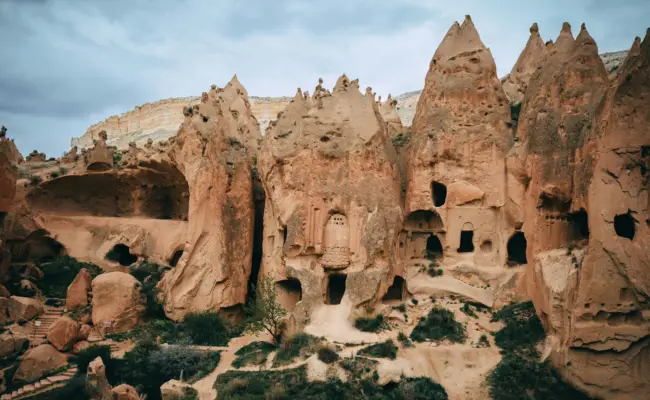
The best time to visit Turkey, month by month: ~90–95% Cappadocia hot air balloon reliability from May to October, sea temperatures, school-holiday windows and booking lead times.
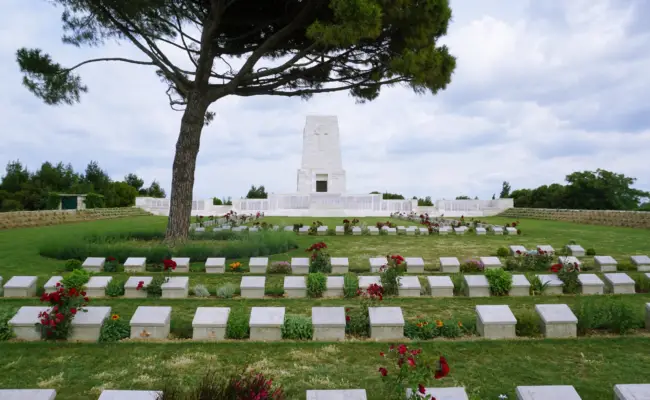
A day-by-day private Turkey route built around Australian term breaks, the one-stop flight, and how much Gallipoli time the trip holds — fixed quote in 24 hours.
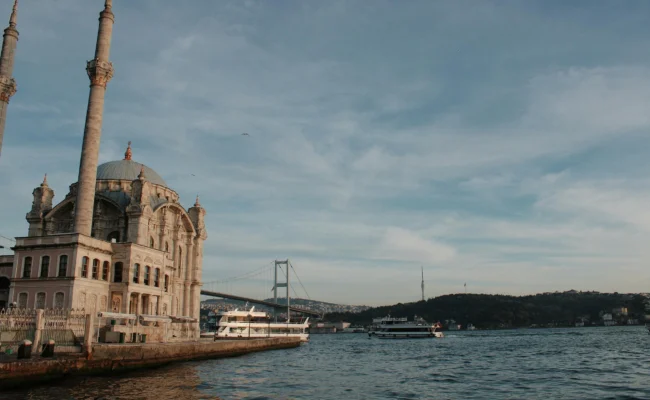
Turkey is safe to visit for families. A TURSAB-licensed operator covers travel advisories, Istanbul safety, earthquake zones and why a private guided tour is the safest choice.
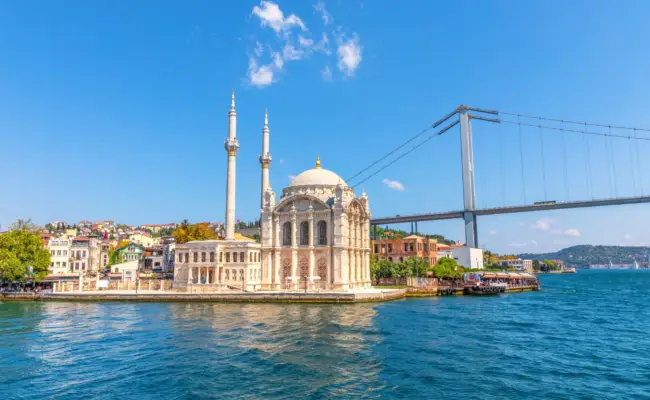
A day-by-day private Turkey route built around Singapore’s school windows and the 11-hour Changi–Istanbul direct — fixed quote within 24 hours.

Istanbul travel guide: Hagia Sophia, the Blue Mosque, Topkapı Palace and the Grand Bazaar day by day — where to stay by neighbourhood, a 3-day plan, and the private Old City tour from USD 190 pp.
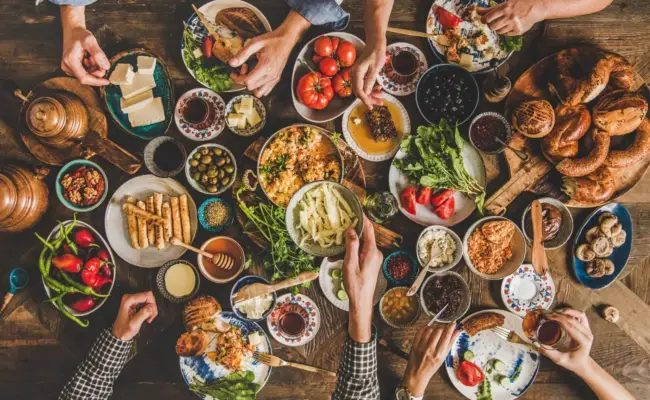
A Turkish breakfast (kahvaltı) fills the table with 10–20 small plates: cheeses, olives, honey with kaymak, menemen and unlimited çay. Dish-by-dish guide with prices — serpme vs hotel buffet at USD 10–18 per person, plus Istanbul’s best breakfast quarters.



Tell us about your family — we reply within 24 hours.