 English
 Dutch
Dutch Japanese
 Korean
 Chinese

Turkey in June: Peak Hot Air Balloon Season & Private Tour Guide
The best time to visit Turkey in June: long days, peak Cappadocia balloon season and a warm coast before the July heat — private tour itineraries and costs. TURSAB-licensed.



Quick Answer: The Blue Mosque in Istanbul (Sultan Ahmed Mosque) is a working mosque with no entrance ticket — any site charging for “entry” is really selling a guide or an audio device. It opens around 08:30 and closes to visitors during the five daily prayers, each roughly a 90-minute window, with the longest pause at Friday midday. Dress is modest: shoulders and knees covered, shoes off, and hair covered for women, with free headscarves handed out at the door. The mosque sits on Sultanahmet Square, about 200 metres from Hagia Sophia, so most visitors see both in one morning. On our private Istanbul Old City tour (USD 190 pp) a licensed local guide times the visit around the prayer pauses and pairs it with Hagia Sophia, Topkapı Palace and the Grand Bazaar. Turkey Family Tours is TURSAB-licensed (no 13538), verifiable in the official registry. Get a Private Quote →
The Blue Mosque is the mosque most people picture when they think of Istanbul: six minarets, a cascade of grey domes, and an interior lined with tens of thousands of blue İznik tiles. It is also the most misread of Istanbul’s big sights, because the search results are crowded with ticket pages for a place that costs nothing to enter. The four things that shape a visit are the entry rules, the prayer-time closures, the dress code, and the order that folds it into a half-day of Sultanahmet without queueing twice.
The Blue Mosque is open every day except during prayers, takes no entrance ticket, and faces Hagia Sophia across a garden square, so the practical planning is short. The mosque was built between 1609 and 1616 for Sultan Ahmed I, which is why locals call it the Sultan Ahmed Mosque, and it remains an active place of worship rather than a museum. It also stands inside the Historic Areas of Istanbul, a UNESCO World Heritage Site. Here is the visit in one table before the detail below.
| Detail | What to expect |
|---|---|
| Entry fee | Free — it is a working mosque, no ticket exists |
| Opening | From about 08:30 daily, outside prayer windows |
| Closures | Five daily prayers, ~90 minutes each; longest at Friday midday |
| Dress code | Shoulders and knees covered; shoes off; women cover hair (free scarves) |
| Location | Sultanahmet Square, ~200 m from Hagia Sophia |
| Time needed | 20–30 minutes inside; 45–60 with a guide and the courtyard |
At Turkey Family Tours we treat the Blue Mosque as a timing puzzle rather than a ticketing one: the building is free and open, so the whole job is arriving in an open window and skipping the midday crush. A licensed local guide does exactly that on the private Istanbul Old City tour.
The Blue Mosque has no entrance ticket, and nothing to book in advance. This is the single most misread fact about the sight, because search results fill up with pages selling “Blue Mosque tickets” or “skip-the-line entry.” What those pages actually sell is a guided tour or an audio-guide device, sometimes bundled with a genuinely ticketed neighbour like Hagia Sophia. The mosque itself takes no money at the door.
That matters for two reasons. First, you can walk up and go in without booking anything. Second, the only line that exists is the security and shoe-removal queue at the tourist entrance, which a paid “skip-the-line” product cannot actually skip, because there is no separate ticket lane to jump. If a listing implies otherwise, read the small print: you are paying for a guide, not for access.
On our side, the Blue Mosque is included at no separate cost inside the private Old City tour (USD 190 pp); the value is the guide and the timing, since the entrance itself is free. For the neighbouring ticketed sight, our guide to visiting Hagia Sophia covers the €25 gallery route in full.
The Blue Mosque opens to visitors from about 08:30 and stays open into the evening, but it closes to tourists for roughly 90 minutes around each of the five daily prayers. Because prayer times shift with the sun through the year, there is no fixed timetable printed on a wall, and the pauses move by a few minutes week to week. Türkiye’s official tourism board, Go Türkiye, lists it among the city’s active places of worship for the same reason. The reliable rule is simple: arrive soon after opening, or in the gap between the early-afternoon and late-afternoon prayers.
| Prayer | Rough time of day | Tourist access |
|---|---|---|
| Fajr (dawn) | Before opening | Closed to visitors |
| Dhuhr (midday) | Around 12:30–13:00 | ~90-min closure |
| Friday (Jummah) | Around 12:30–14:30 | Longest closure of the week |
| Asr (afternoon) | Mid-afternoon | ~90-min closure |
| Maghrib / Isha (evening) | Sunset onward | Closed late in the day |
The one window to plan around carefully is Friday midday, when the mosque fills for the main weekly prayer and stays closed to visitors for the longest stretch of the week. If your only free morning is a Friday, go right at 08:30 and be back out before noon. A licensed guide checks the day’s exact prayer times and books the entry into an open slot, which is the main reason our travellers rarely stand waiting.
The dress code is modest and applies to everyone: shoulders and knees covered, no beach or gym wear, and shoes removed at the entrance, where you carry them in a plastic bag provided. Women cover their hair with a scarf; if you do not have one, headscarves are handed out at the door and returned on the way out. Staff are used to first-time visitors, so it is calmer than it sounds.
A light scarf or a thin layer in a day bag saves a step, especially in summer when sleeveless tops are common. This is a practical entry requirement for a working mosque, not something to prepare for at length. Carry one cover-up and you are set for the Blue Mosque and every other mosque in the city.
The quietest hour is right at 08:30 opening, before the tour groups arrive from the cruise port and the big hotels. The next-best gap is the mid-afternoon window once the early-afternoon prayer reopens the mosque and the morning coaches have moved on to lunch. Midday, roughly 11:00 to the early-afternoon prayer, is the busiest and warmest stretch, and it collides with the longest queues at Hagia Sophia across the square.
Season matters too: spring and autumn bring the mildest queues and the kindest light for photographs of the domes. Our best time to visit Turkey guide breaks the year down month by month, and the same shoulder-season logic that thins the crowds in Cappadocia works on Sultanahmet Square.
Every visitor enters through a tourist gate on the south side, away from the worshippers’ entrance, and passes a short bag and body check. At peak times the line can run 30 to 60 minutes; at opening it is often a few minutes. The flow is straightforward: security, then a bench where you remove shoes and pick up a bag, then a scarf if you need one, then in. Photography is allowed inside without flash, and phones are fine.
None of this needs booking, but it does reward timing. Arriving in an open window with a cover-up already packed turns the whole entrance into a five-minute step. This is the part a guide quietly solves on a guided Sultanahmet morning: reading the prayer clock so your group walks in rather than waits.
The Blue Mosque is one of the more child-friendly big sights in Istanbul, because there is no ticket line, no long indoor route, and a wide open courtyard where children can walk freely before you go in. The whole interior visit takes 20 to 30 minutes, which fits most attention spans, and the soft carpet underfoot means toddlers can be set down once shoes are off. The main thing to prepare is the shoe-and-scarf step, which younger children treat as part of the fun.
For families arriving with a mix of ages, the ticket-free setup is a quiet advantage: you can step out early if a restless five-year-old has had enough, and simply come back in a later window. Turkey Family Tours builds the Old City morning around exactly this kind of flexibility, and our is Turkey safe for families guide covers the wider practicalities of Sultanahmet with children.
The mosque takes its nickname from more than 20,000 handmade İznik tiles that line the upper walls and gallery, their blues and greens catching the light from some 200 stained-glass windows. Above them rises a central dome 23.5 metres across, carried on four vast fluted piers and surrounded by a cascade of semi-domes that steps the eye upward. It is a deliberate answer to Hagia Sophia opposite: where the older building floats one dome on light, Sultan Ahmed’s architect, Sedefkâr Mehmed Ağa, built a mountain of them.
Outside, the six minarets are the detail everyone remembers. At the time it was built, only the Great Mosque of Mecca had six, and the coincidence caused enough of a stir that a seventh was added there to keep it ahead. Standing in the courtyard at opening, with the domes greying in the early light and the minarets spearing the sky, is the photograph most people came for, and it costs nothing.
Inside, the effect is quieter than the exterior suggests. The hall is a single vast space rather than a maze of rooms, so a visit is mostly about looking up. The tiles climb the piers, the calligraphy rings the dome bases, and the low chandeliers hang just above head height on long chains. Ostrich eggs were once fixed to those chains to keep spiders away, a small detail guides like to point out. Because the front third stays reserved for worship, visitors take it all in from the carpeted rear, which keeps the room calm even when the courtyard outside is busy. Our Istanbul travel guide sets the mosque in the wider sweep of the old city’s skyline.
The Blue Mosque sits at the centre of a walkable triangle: Hagia Sophia is 200 metres across the garden, and the Grand Bazaar is a ten-minute walk uphill. Doing all three in one morning is the classic Sultanahmet half-day, and the order matters more than the distance, because two of the three keep prayer or opening clocks. Start at the Blue Mosque for the quiet 08:30 window, cross to Hagia Sophia while its queue is still short, then finish in the covered market before lunch.
| Stop | Suggested time | Entry |
|---|---|---|
| Blue Mosque | 08:30, ~30 min | Free |
| Hagia Sophia | 09:15, ~45 min | €25 (under 8 free) |
| Grand Bazaar | 10:30, ~60 min | Free |
That single loop covers the domes, the mosaics and the market in about three hours of easy walking. Our companion guides go deep on the other two corners: visiting Hagia Sophia for the gallery route and the €25 ticket, and the Grand Bazaar guide for what to buy and how to bargain. Together the three make the core of any first Istanbul trip, and they anchor the first morning of our 5-day Istanbul and Cappadocia tour (USD 1,690 pp).
Because the Blue Mosque is free, the case for a guide is not access — it is timing and context. A licensed local guide reads the day’s prayer clock so you arrive in an open window, points out the İznik detail you would otherwise walk past, and links the mosque to Hagia Sophia and the Grand Bazaar without backtracking. On our private Istanbul Old City tour, USD 190 per person, all of that comes with lunch and every entrance fee included, so the ticketed sights on the route are covered.
At Turkey Family Tours we run these as fully private Turkey tours: one booking, one licensed guide, one vehicle, with a written, fixed quote before you commit. For how the Old City fits a longer trip, the master Turkey travel guide maps the days, costs and routes end to end, and the 10-day Turkey itinerary shows a full route in day-by-day form.
Yes. The Blue Mosque is a working mosque with no entrance ticket. Pages advertising “Blue Mosque tickets” are selling a guide or audio device, sometimes bundled with the ticketed Hagia Sophia next door. You can walk up and go in during any open window; the only wait is the security and shoe-removal queue, which every visitor shares. Nothing is paid at the door and there is no online reservation to make in advance. A donation box near the exit is optional. On our private Old City tour the mosque is included at no separate cost, so the value is the guide and the timing rather than any entrance fee.
The mosque opens to visitors from about 08:30 and stays open into the evening, but it closes for roughly 90 minutes around each of the five daily prayers. Prayer times shift with the sun, so there is no fixed wall timetable. The safe plan is to arrive right at opening or in the mid-afternoon gap once the early-afternoon prayer has reopened the doors. Friday midday brings the longest closure of the week for the main weekly prayer, so avoid that slot or go early and be out before noon. A licensed guide checks the day’s exact prayer times and books the entry into an open window, which is why our travellers rarely stand waiting.
Jeans are fine — the code is about coverage, not fabric. Everyone needs shoulders and knees covered and shoes off at the door, carried in a bag provided. Women cover their hair with a scarf, and free headscarves are handed out at the tourist entrance if you do not have one. Children need no head covering, and the same shoulders-and-knees guidance keeps it simple for them. Staff are used to first-time visitors, so the shoe-and-scarf step at the entrance is calmer than it sounds. Packing one light scarf or layer covers you here and at every other mosque in the city.
No, they are two separate buildings facing each other across a garden square, about 200 metres apart. The Blue Mosque (Sultan Ahmed, built 1609–1616) is a working mosque with no entrance ticket; Hagia Sophia opposite is far older and charges €25. Most visitors see both in one morning, starting at the Blue Mosque for the quiet opening window and crossing to Hagia Sophia before its queue builds. The pair sit at the heart of Sultanahmet, with the Grand Bazaar a ten-minute walk uphill. For the neighbour, our Hagia Sophia guide covers its gallery route and the €25 ticket in full.
For two things above all: its six minarets, rare when it was built and the source of a famous stir with Mecca, and the 20,000-plus İznik tiles that give the interior its blue glow. Above them sits a central dome 23.5 metres wide on a cascade of semi-domes, built as a deliberate answer to Hagia Sophia across the square. It was completed in 1616 for Sultan Ahmed I and remains a working mosque rather than a museum. Today it is one of Istanbul’s most photographed landmarks, and the courtyard view at opening costs nothing.
Plan 20 to 30 minutes inside, or 45 to 60 minutes with a guide and time in the courtyard. It is a single open prayer hall rather than a long museum route, so it is quick to see. Add the security and shoe queue, which is a few minutes at opening and up to an hour at midday, so timing matters more than the visit length itself. Paired with Hagia Sophia and the Grand Bazaar, the three make a comfortable half-day of about three hours of easy walking, which is how we structure the first morning of the Old City tour.
Yes, and it is one of the easier big sights with kids: no ticket line, a short 20-minute route, and a wide courtyard to move around before going in. Shoes come off for children too, so slip-on shoes speed the bench step, and strollers are folded through security. The 08:30 opening beats the midday heat and crowds, and the wide courtyard gives children room to move before the short indoor visit. Because there is no ticket, stepping out early if a toddler runs out of patience costs nothing, and you can come back in a later open window. Point them at the six minarets outside and the blue tiles overhead, and 20 minutes is plenty.
Not for access, since the mosque is open and unticketed — a guide earns its place on timing and context. A licensed local guide reads the day’s prayer clock so you walk in rather than wait, explains the İznik tiles and the six-minaret story, and links the mosque to Hagia Sophia and the Grand Bazaar in one loop. Our private Old City tour (USD 190 pp) does exactly that, with lunch and ticketed entries included, so the mosque sits alongside the ticketed Hagia Sophia and Topkapı on one clean route. If you would rather go alone, the same timing rules in this guide get you in without a wait.
The Blue Mosque is free, quick and unmissable — the only skill is arriving in an open window and pairing it with the sights around it. That is what a licensed local guide handles on a private Istanbul Old City tour (USD 190 pp): the prayer-clock timing, the İznik detail, and a clean loop through Hagia Sophia and the Grand Bazaar. Turkey Family Tours is a TURSAB-licensed operator (no 13538), and every trip is fully private with a fixed written quote.
A curated list of the most popular travel packages based on different destinations.

The best time to visit Turkey in June: long days, peak Cappadocia balloon season and a warm coast before the July heat — private tour itineraries and costs. TURSAB-licensed.
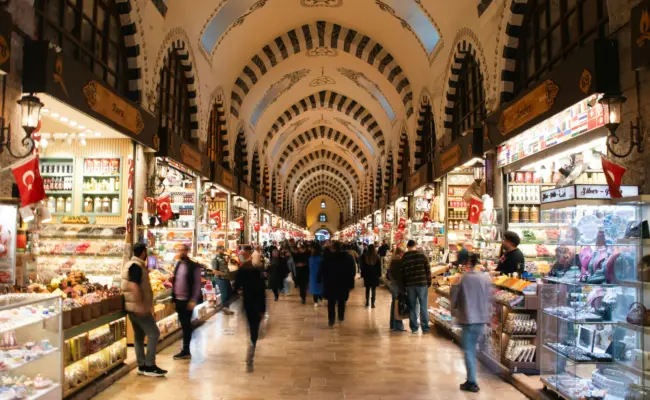
Grand Bazaar Istanbul explained: 61 covered streets, 4,000+ shops, free entry, closed Sundays — what to buy, how to bargain, and the 60-90 minute morning route between the Nuruosmaniye and Beyazıt gates.
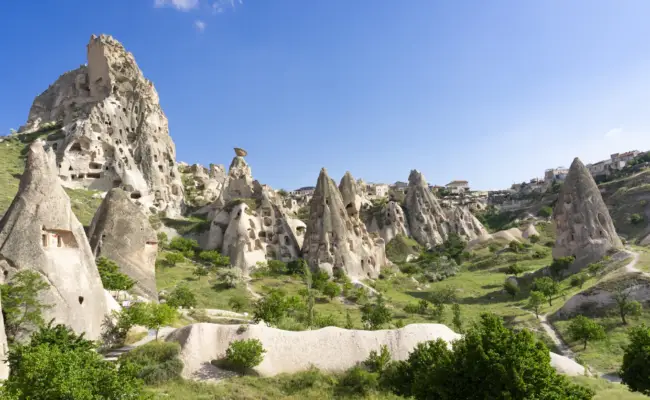
The full 11-day overland route — Istanbul to Gallipoli with no domestic flights: leg-by-leg drive times, the Silk Road stops flights skip, and one fixed quote from USD 3,795.
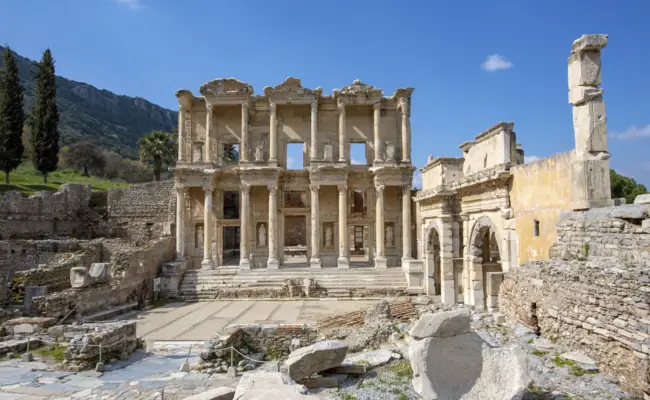
Ephesus travel guide: Library of Celsus, Great Theater, House of Virgin Mary, best time to visit, how to get there, and family tips for visiting.

Antalya guide: Kaleici old town, Aspendos Theater, turquoise beaches, best time to visit, family-friendly tips. Turkey’s Mediterranean jewel.
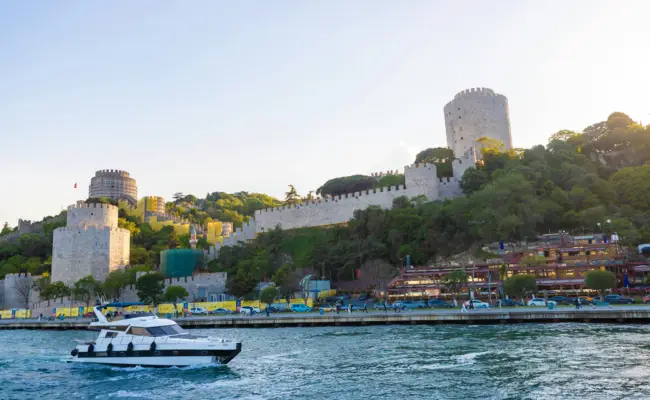
Tipping in Turkey explained: an at-a-glance table for restaurants, guides, drivers, hotels and taxis — plus cash-vs-card and which currency to carry.

A Turkish breakfast (kahvaltı) fills the table with 10–20 small plates: cheeses, olives, honey with kaymak, menemen and unlimited çay. Dish-by-dish guide with prices — serpme vs hotel buffet at USD 10–18 per person, plus Istanbul’s best breakfast quarters.
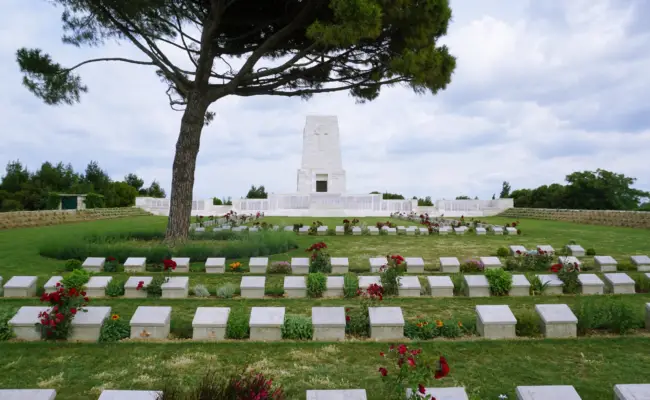
A day-by-day private Turkey route built around Australian term breaks, the one-stop flight, and how much Gallipoli time the trip holds — fixed quote in 24 hours.



Tell us about your family — we reply within 24 hours.