 English
 Dutch
Dutch Japanese
 Korean
 Chinese

Intrepid Turkey Tours vs a Private Turkey Tour, Compared
Intrepid’s 15-day Best of Turkey, G Adventures’ Absolute Turkey and a private tour compared — group sizes, minimum ages, what each includes, and the per-person math for four travellers.



Quick Answer: A Turkish breakfast (kahvaltı) fills the table with 10–20 small shared plates: white and aged cheeses, olives, honey with kaymak, homemade jams, eggs with sucuk, warm bread and unlimited black tea. It is eaten every ordinary morning across Turkey, not saved for occasions, and Turkish coffee only appears after the last plate is cleared. Hotels include a buffet version in the room rate, weekday salon plates such as menemen run USD 4–8, and the full weekend serpme costs about USD 10–18 per person at a breakfast house. On a private Turkey tour every hotel morning opens with this table, and a guided Istanbul day can start in a proper breakfast quarter: the Old City day tour runs USD 190 per person with a licensed local guide. Turkey Family Tours is TURSAB-licensed (no 13538) and answers every request within 24 hours. Get a Private Quote →
A Turkish breakfast is the meal most visitors rank first when the trip is over, and it asks the least effort of any meal in the country. It is already waiting in the hotel dining room, it stretches to 10–20 plates at a weekend serpme, and the street version (a sesame simit with çay) still changes hands for about USD 1. First-time visitors ask three things: what is actually on the table, whether to eat it at the hotel buffet, a kahvaltı salonu or a weekend serpme, and where in Istanbul to go. This breakfast chapter of our full Turkish food guide answers all three, dish by dish.
Last updated: July 2026 · Reviewed by Fatih, TFT Founder · TURSAB-licensed tour operator
The Turkish word for breakfast, kahvaltı, is built from two words: kahve (coffee) and altı (under). It translates roughly as “the base under the coffee,” and the name is an instruction. Turkish coffee, on UNESCO’s Intangible Cultural Heritage list since 2013, is never drunk on an empty stomach, so a foundation of food comes first. Over the centuries, that foundation grew into a first meal of a dozen or more plates. Coffee itself waits until the table is cleared; the morning drink is çay, covered with the rest in our Turkish drinks rundown.
Two more terms cover almost every menu you will meet. Serpme kahvaltı (“scattered breakfast”) is the full spread, ordered per person, where the table disappears under small plates. A kahvaltı salonu is a breakfast house: a restaurant that does nothing else and is judged by its jam. On weekdays breakfast is quick — cheese, olives, bread, tea, out the door. At the weekend it becomes the main event: a serpme sitting rarely wraps up inside two hours, and reaching for the bill before the second tea refill is considered eccentric.
A full Turkish breakfast spread draws from five families: bread, cheese, olives, the sweet corner and the hot centre. Nearly every plate is whole food — eggs, brined cheese, fresh tomatoes and cucumber, honey. Ten items appear on almost every serpme in the country.
| On the table | What it is | First-timer note |
|---|---|---|
| Simit | Sesame-ring street bread — Turkey’s everyday bagel | About USD 1; pick the cart with a queue |
| Beyaz peynir | Fresh white brined cheese, the spread’s anchor | Ranges mild to sharp; ask for tam yağlı (full-fat) |
| Kaşar & tulum | Aged yellow cheese and crumbly goat’s cheese cured in skin | A serious salon serves 3–4 cheeses minimum |
| Olives | Several plates, from oil-cured black to cracked green | Black gemlik olives are the breakfast classic |
| Bal-kaymak | Comb honey poured over clotted cream | Goes straight onto warm bread; children find it first |
| Jams | Sour cherry, fig, rose — homemade at a proper salon | Rose jam divides tables; try one spoon first |
| Tahin-pekmez | Sesame paste swirled with grape molasses | Turkey’s older answer to chocolate spread |
| Sucuklu yumurta | Fried eggs over slices of spiced sucuk sausage | Ordered per pan; lands last and disappears first |
| Sigara böreği | Cheese-filled filo cigars, fried crisp | First plate emptied at any table |
| Çay | Black tea in tulip glasses, refilled without asking | Refills continue until you signal you’re done |
Bread arrives in waves: a basket of fresh white loaf, then bazlama (a griddled flatbread with the reach of a dinner plate), then poğaça, soft buns hiding cheese or olive paste. The simit stays the icon. It costs about USD 1 from a street cart and works as breakfast on a ferry deck. It also out-sells every other item in our Turkish street food rundown for a reason: the sesame crust keeps its crunch exactly as long as an Istanbul commute.
Turkey produces around 200 named cheeses, and breakfast is where they report for duty. Beyaz peynir does the daily work, kaşar covers the mild end for children, tulum brings the sharpness and örgü, a braided cheese from the southeast, brings the spectacle. Olives get the same respect: a good salon sets out green and black, oil-cured and brine-cured, and nobody considers two olive plates excessive.
The pairing to remember is bal-kaymak: a thick disc of kaymak with comb honey draped over it, scooped onto warm bread. Around it sit the jams (sour cherry and fig are the benchmarks, rose the local wildcard) and tahin-pekmez, the sesame-and-grape-molasses swirl that predates every imported spread by several centuries. This corner is a children’s dessert disguised as breakfast, which is precisely why it works for families.
Something always arrives hot and in its own pan. Most mornings it is sucuklu yumurta (eggs fried over slices of spiced beef sucuk) or a plate of sigara böreği straight from the fryer. Larger spreads add pişi (puffed fried dough) or a wedge of su böreği from the börek shop next door. A börek portion with çay makes a complete breakfast on its own, for about USD 3–4 anywhere in the country.
Two egg dishes anchor the Turkish breakfast canon, and they answer the question first-time visitors ask most: what is that egg dish called?
Menemen starts with green peppers and tomatoes collapsing in butter; the eggs go in last and are pulled off the heat barely set, so the pan reaches the table still bubbling. It is eaten communally with bread — the fork is optional, the bread is not. It also carries Turkey’s longest-running culinary dispute: onion or no onion. Order it soğanlı (with) or soğansız (without) and you have taken a side; the country has never settled the matter and shows no intention of doing so.
Çılbır is the one that travels under an alias: poached eggs on a bed of garlicky strained yogurt, finished with butter blistered with Aleppo pepper. Ottoman palace kitchens were recording versions of it centuries ago; international brunch menus now sell it as “Turkish eggs.” The yogurt should be at room temperature and the butter loud. The whole thing is gone in four minutes, and if you try only one unfamiliar dish at breakfast, make it this.
Breakfast in Turkey is served three ways at three price points. All three serve the same core plates: cheeses, olives, eggs, honey and warm bread. A hotel breakfast is a buffet edition of the traditional spread, included in the room rate and served roughly 07:00–10:00. A kahvaltı salonu (breakfast house) serves weekday plates such as menemen at USD 4–8 per person. A serpme kahvaltı is the full ceremony: 10–20 small plates ordered per head at USD 10–18 per person, çay refills included, feeding a family of four for roughly USD 40–70. The trade between the three formats is ceremony versus clock. The buffet suits sightseeing days that need a 09:00 start. The salon suits a quick local morning without the full ceremony. The serpme is the event itself: plan an unhurried two-hour weekend morning around it, and skip lunch.
| Format | How it works | Typical cost | Best for |
|---|---|---|---|
| Hotel breakfast | Buffet version of the spread, served roughly 07:00–10:00 | Included in the room rate | Sightseeing days — eat and go |
| Kahvaltı salonu (weekday) | Order menemen or a small set from the menu | USD 4–8 per person | A quick local morning without the full ceremony |
| Weekend serpme | Full 10–20 plate spread, ordered per person, refills included | USD 10–18 per person; more on Bosphorus terraces | The event itself — plan a full morning |
Serpme is priced per head — the waiter asks how many people, not what you want. Say “iki kişilik” (for two) or hold up fingers; the plates start landing within minutes and the çay keeps coming until you surrender. One warning: a serpme for four produces more food than any family of four can finish, and that is the design, not a miscalculation.
Every Turkish hotel morning includes a buffet edition of the spread in the room rate: cheeses, olives, eggs, simit, honey, the lot. That standing arrangement removes breakfast from the trip-planning list entirely, and every hotel we book on our private tour routes follows it. The buffet trades the per-plate ceremony for speed, which on a day aimed at the Hagia Sophia by 09:00 is the correct trade.
The kahvaltı salonu wins on the mornings that have no museum deadline. Weekday salons open around 07:30–08:00 and serve shopkeepers before work; weekend salons in the popular quarters fill by 10:00 and hum until early afternoon. The jam is homemade, the menemen arrives in its pan, and a full serpme for a family of four generally lands between USD 40 and 70, çay included. Whether a small tip lands on top is covered in our tipping in Turkey guide — at a casual breakfast, rounding up the change is the norm.
Istanbul eats breakfast by neighbourhood, and four or five quarters cover everything a visitor needs. Venues change hands fast in this city while streets keep their character for decades, so the useful unit is the quarter, not the restaurant name. Our Istanbul travel guide applies the same rule to every meal of the day.
| Quarter | Breakfast character | Go when |
|---|---|---|
| Beşiktaş | The city’s famous breakfast street — a whole block of competing kahvaltı salons | Weekday mornings; weekends fill by 10:00 |
| Karaköy & Galata | Design-era cafés doing serpme and çılbır under the Galata Tower | Any morning; pairs with a walking day |
| Kadıköy & Moda | Asian-side salons where the ferry ride over is half the outing | Weekends, if you like a crowd of locals |
| Ortaköy & the Bosphorus villages | Waterfront serpme with the strait in view, Arnavutköy and Bebek beyond | Weekend mornings; book the view with your eyes early |
| Sultanahmet | Hotel-breakfast country; salons thin out among the monuments | Eat at the hotel, spend the morning on the sights |
The practical Istanbul pattern for a first visit:
On our private Istanbul Old City tour (USD 190 per person) the day starts after breakfast by design, so either version fits. Your guide will happily point the family toward the right breakfast street for the free morning.
The breakfast spread travels with you, but it changes accent every 300 kilometres: eastern tables pile on herb cheeses, the Aegean pours more olive oil, and the southeast opens with pastry that belongs in a dessert case. Three regions are worth planning around — our Turkey travel guide maps where each sits on a route.
In 2014, the eastern city of Van set a Guinness World Record by seating 51,793 people at a single breakfast — a fair summary of how seriously it takes the meal. Van’s kahvaltı culture is a destination in itself: otlu peynir, a white cheese studded with wild mountain herbs, plus murtuğa (flour fried in butter with eggs) and kavut, dishes that rarely leave the region. Most first Turkey itineraries stay west of it, but the Van spread is the country’s benchmark, and salons across Turkey borrow its name to signal ambition.
Cappadocia mornings stack the spread against sunrise: cave-hotel terraces serve breakfast while hot air balloons drift past at eye level. Our cave hotel guide covers how the terraces work, and how many days Cappadocia needs settles the length question. The 2-day Cappadocia tour (USD 895 per person) and the 5-day Istanbul and Cappadocia route (USD 1,690) both build those mornings in, breakfast included.
The Aegean coast lightens the table: more olive oil, more herbs, gözleme griddled to order in village gardens near Ephesus — a rhythm the 7-day Istanbul–Cappadocia–Ephesus tour (USD 2,450) meets at the source. The southeast goes the other way entirely: in Gaziantep breakfast can open with katmer, a molten pistachio-and-kaymak pastry that our Turkish desserts section files under both breakfast and dessert because the city itself refuses to choose.
Of the plates on a serpme table, a child reliably eats from at least four on first contact. The format itself is the family advantage: nothing is plated per person, so a cautious eater grazes without negotiation and nobody pays for a rejected meal. The reliable first-contact list:
Fresh orange juice is squeezed to order almost everywhere, and salons treat children as standard equipment rather than an exception — high chairs, extra bread, zero ceremony. At Turkey Family Tours we plan city mornings around this: hotel buffet on the tight days, one unhurried serpme on a free morning, and the guide carries the simit knowledge.
Every hotel on a Turkey Family Tours route includes breakfast in the room rate. The spread is simply how each touring day begins: in Istanbul before the Old City, on a cave-hotel terrace in Cappadocia, by the Aegean before Ephesus. The 8-day Istanbul–Cappadocia–Pamukkale–Ephesus route (USD 2,790 per person) strings those breakfasts across three regions with a licensed local guide handling the logistics in between; the day-by-day 8-day itinerary shows exactly where each morning lands. The 10-day Gallipoli and Troy route (USD 3,320) adds the Çanakkale coast. Çay, for the record, is UNESCO-listed tea culture, and Turkey drinks more of it per person than anywhere else. Even Türkiye’s official gastronomy portal treats breakfast as a national attraction in its own right. We agree, and we schedule for it.
A Turkish breakfast is largely whole foods served in small portions: white cheese, olives, tomatoes, cucumbers, eggs and honey, with bread as the only large carbohydrate block. Compared with a pastry-and-cereal breakfast it delivers more protein and far less refined sugar; the indulgent corner (bal-kaymak and fried börek) is a choice, not the default. Portion logic helps too: everything arrives in shared saucer-sized plates, so you calibrate as you go. The main caution is sodium, since cheese and olives are brined; balance the table with the fresh vegetables that always accompany them. Eaten the local way, at a two-hour weekend pace, the spread leans protein-and-vegetables where most hotel breakfasts lean pastry-and-sugar.
The two signature Turkish breakfast egg dishes are menemen and çılbır. Menemen is eggs scrambled into tomatoes and green peppers in a two-handled pan — the everyday choice, eaten with bread straight from the pan. Çılbır is poached eggs over garlicky strained yogurt under chili-blistered butter, the dish international brunch menus rename “Turkish eggs.” A third, sucuklu yumurta, is simply eggs fried with spiced beef sucuk and appears on nearly every serpme spread. All three cost roughly USD 4–8 in a kahvaltı salonu, arrive with bread rather than cutlery expectations, and hotels usually offer at least menemen and fried eggs daily on the buffet. You can audition all three across two or three mornings of a normal trip without ordering anything twice.
Hotel buffets run roughly 07:00–10:00 across Turkey, which suits sightseeing schedules built around 09:00 opening times. Kahvaltı salons open 07:30–08:00 on weekdays to feed people before work, and keep serving the full spread until early afternoon — breakfast at noon is entirely normal at the weekend and nobody blinks. The practical rule for the popular quarters: arrive before 10:00 on Saturday or Sunday or expect a short queue, since the busiest salons run on walk-ins rather than reservations. Street vendors work even earlier — simit carts are out by 07:00. On tour days our drivers time pickup after the hotel buffet, so the spread never gets sacrificed to an itinerary.
Almost the entire spread is vegetarian by default: cheeses, olives, eggs, honey, kaymak, jams, tomatoes, cucumbers and bread form the core, and the only standard meat items are sucuk and pastırma, which arrive as separate plates and are easy to skip or simply not order. Menemen and çılbır are both meat-free. Vegans have a thinner but workable table — olives, tomato-cucumber plates, tahin-pekmez and simit — though cheese and eggs do the heavy lifting everywhere. If anyone in the family has a dietary requirement, flag it when you book and your guide confirms it directly with each hotel on the route.
The scale runs from pocket change to a modest event. A street simit costs about USD 1; a börek portion with çay is USD 3–4; menemen or a weekday salon set lands around USD 4–8 per person; and a full weekend serpme runs USD 10–18 per person, climbing on Bosphorus-view terraces. Çay refills are included in a serpme by convention. Prices hold surprisingly steady between cities — Istanbul’s premium is the view, not the cheese. For most visitors the daily answer is simpler still: hotel breakfast is included in the room rate across Turkey, so the spread costs nothing extra on any morning of a private tour itinerary.
On weekdays, no — walk in anywhere. At the weekend the calculus changes in the famous quarters: Beşiktaş’s breakfast street and the Bosphorus-view terraces fill by 10:00, and most salons don’t take reservations at all, so the queue is the booking system. The workarounds are arriving by 09:30, choosing a side street over the postcard row, or going Sunday instead of Saturday — the same spread, noticeably shorter queue. Guests on our Istanbul day tours get the simplest fix: the guide knows which quarter is calm that morning and points the family accordingly before the touring day starts.
The 8-day Istanbul–Cappadocia–Pamukkale–Ephesus route (USD 2,790 per person) covers the widest breakfast geography: city buffets in Istanbul, cave-hotel terrace mornings in Cappadocia and lighter Aegean tables near Ephesus, all included. Families with less time get the same span’s best half on the 5-day Istanbul and Cappadocia tour (USD 1,690), whose two Göreme mornings (spread on the terrace, hot air balloons overhead) are the breakfasts guests photograph most. Every hotel on both routes serves the full Turkish spread daily, and a licensed local guide can slot a proper kahvaltı salonu morning into any free half-day on request.
Turkey Family Tours works on a 25% deposit, which is non-refundable, with the remaining 75% payable on arrival in Turkey by cash or card — no full prepayment months out. Cancellations made less than 7 days before the tour date, and no-shows, are charged the full tour fee. Every booking is backed by TURSAB licence no 13538, verifiable in the registry, and every question about dates, routes or the fine print gets an answer within 24 hours. The full terms appear on each tour page under Know Before You Book, or start from the planning form and ask directly.
A curated list of the most popular travel packages based on different destinations.

Intrepid’s 15-day Best of Turkey, G Adventures’ Absolute Turkey and a private tour compared — group sizes, minimum ages, what each includes, and the per-person math for four travellers.

The best time to visit Turkey in July: peak summer with dawn starts for the ruins and the Cappadocia balloon, and a pleasant coast — private tour itineraries and costs. TURSAB-licensed.
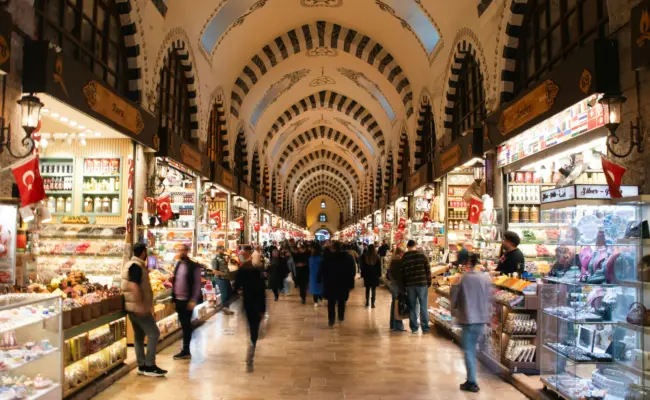
Grand Bazaar Istanbul explained: 61 covered streets, 4,000+ shops, free entry, closed Sundays — what to buy, how to bargain, and the 60-90 minute morning route between the Nuruosmaniye and Beyazıt gates.

The best time to visit Turkey in August: hot inland with dawn starts for the ruins and the Cappadocia balloon, warm seas on the coast — private tour itineraries and costs. TURSAB-licensed.
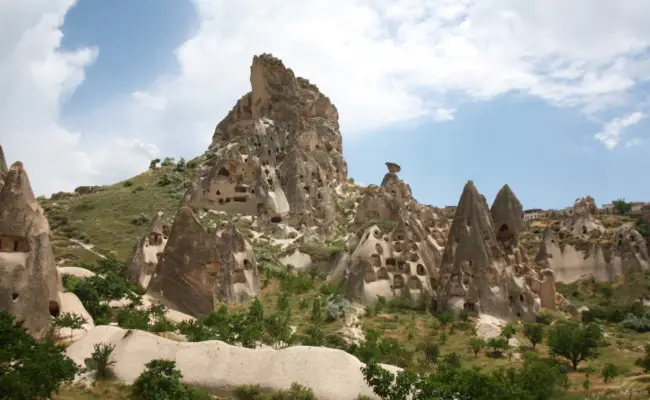
How many days in Cappadocia? Two nights covers the Göreme valleys, an underground city and the sunrise hot air balloon; one day works from Istanbul but skips the balloon.

Pamukkale guide: white travertines, Cleopatra’s Antique Pool, Hierapolis ruins, best time to visit, family tips. Natural wonder on Turkey’s southwest coast.
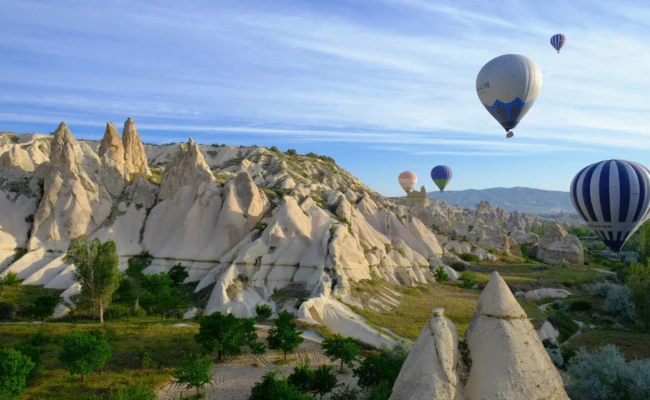
Cappadocia travel guide: sunrise hot air balloons, cave hotels, the Göreme Open-Air Museum and the underground cities — with the 2-day private tour from Istanbul at USD 895 pp.

December is Turkey’s quietest touring month. Expect about nine hours of daylight and 11.8 °C highs in Istanbul. Cappadocia hot air balloons fly on roughly half of December mornings. Land costs run USD 1,435–4,450 per adult.



Tell us about your family — we reply within 24 hours.